You may think installing vinyl flooring is a straightforward task, but there are several common pitfalls that can compromise your project. To help you achieve a flawless result, this guide outlines the key mistakes to avoid during installation, along with expert tips that ensure your flooring lasts and looks great. By paying attention to these important factors, you can enhance your home’s aesthetic while avoiding costly errors that may arise from improper installation techniques.
The Foundation of a Flawless Installation: Subfloor Preparation
Subfloor preparation lays the groundwork for a successful vinyl flooring installation. An inadequately prepared base can lead to a range of issues, from uneven surfaces to premature wear of the flooring. Ensure that your subfloor is clean, dry, and free from debris, allowing for optimal adhesion and a lasting finish. Take the time to address any imperfections before proceeding with your project to avoid complications later.
Importance of a Level Subfloor
A level subfloor is fundamental to achieving a smooth and visually appealing vinyl floor. Any dips or peaks will manifest as visible imperfections once the flooring is installed, leading to potential frustration and early damage. You’ll want to use a leveling compound where necessary to create a flat surface that supports the integrity of your vinyl over time.
Moisture Considerations and Mitigation Techniques
Moisture under your vinyl flooring can cause significant damage, including mold growth and adhesive failure. You should assess moisture levels in your subfloor, especially in areas prone to dampness. If moisture exceeds acceptable levels, implementing vapor barriers or using specialized adhesives designed for high-humidity environments can prevent long-term issues.
To effectively mitigate moisture, utilize a moisture meter before installation. If levels exceed 3% for wood subfloors or 8% for concrete, consider applying a polyethylene film as a barrier or a moisture-resistant adhesive. Additionally, ensure proper ventilation and regular monitoring of humidity levels in the space to maintain a dry environment, which is vital for preserving the longevity of your vinyl flooring.
Choosing the Right Vinyl: Materials Matter
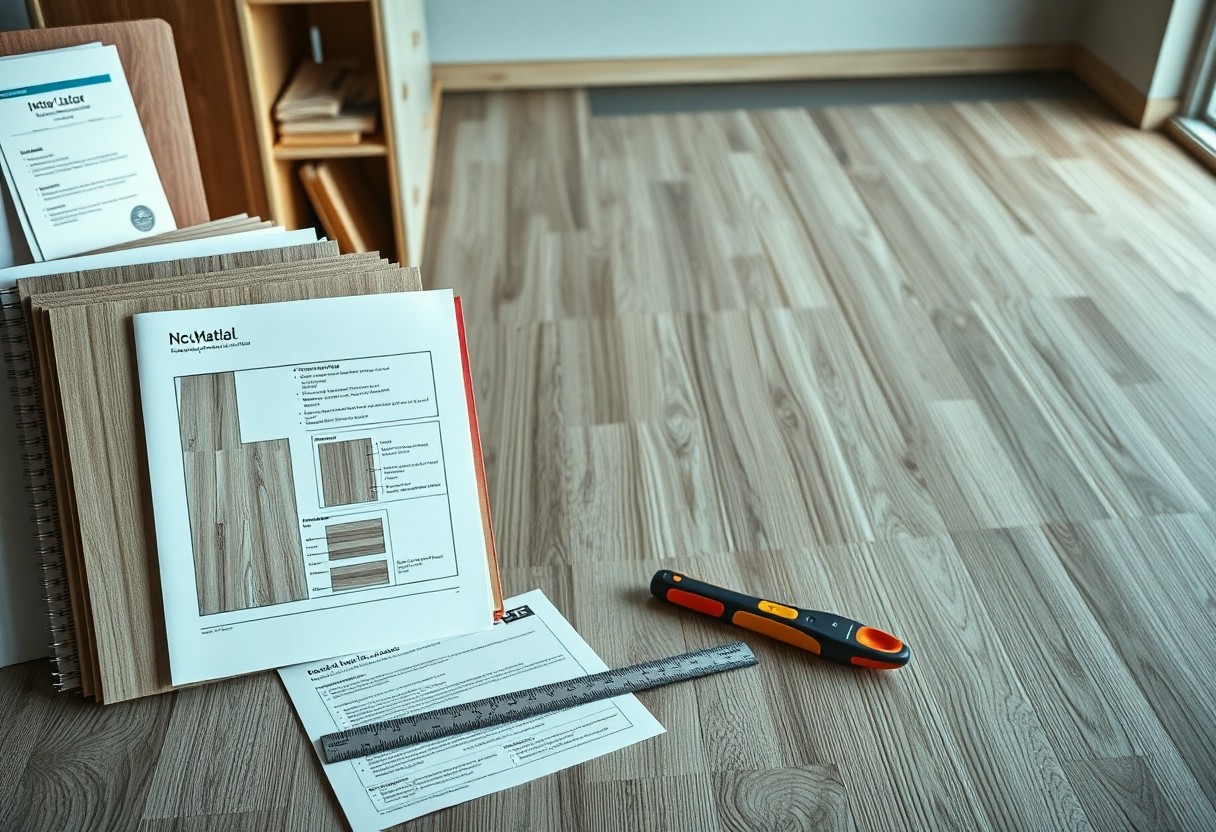
Selecting the correct vinyl flooring materials can significantly impact the overall performance and aesthetics of your space. Consider factors such as texture, finish, and suitability for different environments. Luxury Vinyl Tile (LVT) offers high-end looks with enhanced durability, while vinyl sheet is often more cost-effective and easier to install. Your choice should align with your priorities, whether that’s style, longevity, or maintenance convenience.
Different Types of Vinyl Flooring Explained
Understanding the various types of vinyl flooring is vital for making an informed choice. Here’s a quick breakdown:
- Luxury Vinyl Plank (LVP)
- Luxury Vinyl Tile (LVT)
- Vinyl Sheet
- Click-Lock Vinyl
- Glue-Down Vinyl
Perceiving the differences in installation methods and textures can help you find the best fit for your project.
| Type | Description |
| Luxury Vinyl Plank (LVP) | Mimics hardwood with realistic aesthetics. |
| Luxury Vinyl Tile (LVT) | Resembles natural stone or ceramic tiles. |
| Vinyl Sheet | Ideal for large areas, seamless installation. |
| Click-Lock Vinyl | Easy to install with a snap-together mechanism. |
| Glue-Down Vinyl | Provides stability, best for high-traffic areas. |
Common Misconceptions About Thickness and Durability
Misunderstandings around vinyl thickness often lead to incorrect expectations regarding durability. Thicker materials do not necessarily equate to better performance; rather, the construction quality, wear layer thickness, and overall design affect longevity. Many assume that if a product has greater thickness, it must be more durable, but this is not always true. Understanding the specifics of your chosen material is vital for the best results.
Thicker vinyl often includes more cushioning, which can improve comfort underfoot, but that alone doesn’t guarantee it will resist dents or wear better than a thinner, high-quality option. For example, a 4mm luxury vinyl plank might outperform a 6mm lower-grade product in high-traffic areas. Evaluating wear layers, composition, and manufacturer reputation becomes vital to ensuring your flooring choice stands the test of time. Achieving durability involves more than just thickness; it’s about how the flooring is engineered to withstand everyday stresses in your home or business.
The Art of Measurement: Getting Sizing Right
Precise measurements are the backbone of a successful vinyl flooring installation. Accurate sizing of your space ensures that you purchase the correct amount of material and allows for optimal layout decisions. You must take into account various factors, such as the room shape, existing obstacles, and the vinyl’s design pattern, to avoid costly mistakes and waste. Investing time in measurements pays off significantly in achieving a seamless and professional finish.
Tools and Techniques for Accurate Measurements
Start with quality tools like a measuring tape, a square, and a chalk line for precise dimensions. For larger spaces, consider using a laser distance measurer to capture measurements quickly and accurately. Always measure multiple times to confirm your findings. Additionally, when accounting for irregular room shapes, sketching a detailed floor plan can help visualize the dimensions and ensure all areas are covered.
Avoiding Common Measurement Errors
Common mistakes in measuring can lead to installation issues, often resulting in unnecessary expenses. Mistakes include overlooking small recesses, failing to account for doorways, and not considering the direction of the flooring. These errors can cause miscalculations in the amount of material needed and create problems in achieving a cohesive look. To avert these pitfalls, double-check each measurement and document them clearly.
Missteps in measurement often stem from rushing through the process. For example, failing to factor in the contour of your walls can lead to inaccurate cutouts, leaving unsightly gaps or requiring extra material. Always take note of peculiarities like uneven walls or protruding features. Using a notepad or digital tool to track measurements allows you to cross-reference and validate your notes before making any purchases. Clear documentation ensures that you maintain focus, reducing the chances of miscalculations that could derail your project.
The Installation Process: Timing and Technique
An effective installation process hinges on the timing and technique employed, impacting the overall quality of your vinyl flooring. Rushing through each step can lead to misalignments and an unprofessional finish. Allow ample time for each phase, from adhesive application to the final fitting, ensuring every element is executed with precision for optimal results.
Proper Adhesive Application and Timing
Applying adhesive correctly involves selecting the right type for your vinyl and ensuring proper coverage on both the subfloor and the flooring material. The timing of application is crucial; wait for the adhesive to reach its tack phase before laying down the vinyl, as this promotes better bonding and prevents future lifting or bubbling.
Common Tools and Strategies for a Smooth Finish
Utilizing the right tools can significantly enhance your installation outcome. Essential items include a utility knife for precise cuts, a roller to ensure proper adhesion, and a tapping block for snug-fitting seams. Strategies such as starting from the center of the room and working your way out can help achieve a balanced and visually appealing layout.
For a smooth finish, investing in quality tools is non-negotiable. A straight edge ensures clean cuts, while a notched trowel helps evenly distribute adhesive. Use spacers to maintain consistent expansion gaps around the perimeter. A J-roller can further press the vinyl into the adhesive, eliminating air pockets and enhancing performance. Following these practices will lead to a professional, long-lasting installation.
The Final Touches: Post-Installation Mistakes
Overlooking post-installation details can lead to premature wear or aesthetic issues with your vinyl flooring. Once the planks are down, how you seal and care for them plays a major role in their performance. Neglecting these final touches may seem minor, yet they can greatly impact the lifespan and appearance of your new floor. Adopting a meticulous approach during this phase will ensure your flooring not only looks good but also stands the test of time.
Avoiding Improper Sealing and Finishing
Applying the wrong type of sealant or skipping this step entirely can compromise your vinyl floor’s durability and moisture resistance. Ensure you choose a sealant specifically designed for vinyl flooring to provide an adequate barrier against spills and humidity. Additionally, follow the manufacturer’s recommendations for curing times and application methods to achieve the best results.
Maintenance and Care: Setting Up for Long-Term Success
Establishing a maintenance routine from the outset will safeguard your investment in vinyl flooring. Regular sweeping and damp mopping help prevent dirt buildup, while avoiding harsh chemicals keeps your floors in pristine condition. Consider using furniture pads to reduce scratches from movement, and avoid wearing shoes with heavy treads to protect the surface from wear.
In addition to routine cleaning, take proactive measures by investing in good-quality mats at entryways to capture dirt and moisture before it reaches your flooring. Schedule periodic professional deep cleaning for a thorough refresh, which can significantly extend your flooring’s lifespan. With proper care, your vinyl flooring can maintain its beauty and functionality for many years, providing you with a practical and stylish surface in your home.
Final Words
Drawing together the insights shared, avoiding vinyl flooring installation mistakes is crucial for achieving a smooth finish. Pay close attention to your subfloor preparation, acclimation of materials, and proper adhesive application to ensure durability. Additionally, take the time to measure accurately and plan your layout to minimize waste. By following these expert tips, you can enhance both the aesthetic and longevity of your vinyl flooring, creating a beautiful space that you can enjoy for years to come.