Just like any prized possession, your white oak flooring deserves the best care to remain stunning throughout the years. By following these imperative maintenance tips, you can enhance its durability and beauty. Whether you’re dealing with spills, scratches, or everyday wear and tear, understanding the proper techniques will help keep your floors looking radiant. Dive into these straightforward strategies to ensure your flooring stands the test of time and maintains its charming appeal.
The Art of Regular Cleaning: Your Floor’s Best Friend
Regular cleaning is vital in maintaining the beauty and longevity of your white oak flooring. By incorporating a consistent cleaning routine, you not only remove dirt and debris but also prevent potential scratches and dullness. Keeping your floor clean enhances its natural shine and helps to highlight the stunning grain patterns unique to oak, making every step a delight.
Choosing the Right Cleaning Products
Selecting appropriate cleaning products specifically designed for hardwood floors is paramount to their preservation. Avoid using harsh chemicals or abrasive cleaners that can strip the finish or damage the wood. Instead, opt for pH-neutral soaps and mild cleaners, or even a simple solution of water and vinegar for a natural touch. Ensure the product is safe for lacquered or oiled finishes to maintain that pristine look.
Frequency and Techniques for Effective Cleaning
Cleaning your white oak flooring should be a regular task to maintain its beauty, ideally performed once a week. Use a soft-bristled broom or a microfiber mop to capture dust and dirt, avoiding sweeping with a standard broom to reduce scratching. For deeper cleans, a damp mop with an appropriate hardwood cleaner can be used monthly to remove accumulated grime.
Consistency in your cleaning regimen will keep your flooring looking fresh and vibrant. For high-traffic areas, consider increasing the frequency of cleaning to twice a week. Sweeping or vacuuming daily will significantly reduce debris that can create scratches over time. During the damp mopping phase, ensure the mop is well-wrung out to avoid excess water, which can warp wood. Following these techniques will not only make cleaning easier but will also extend the lifespan of your beautiful white oak planks.
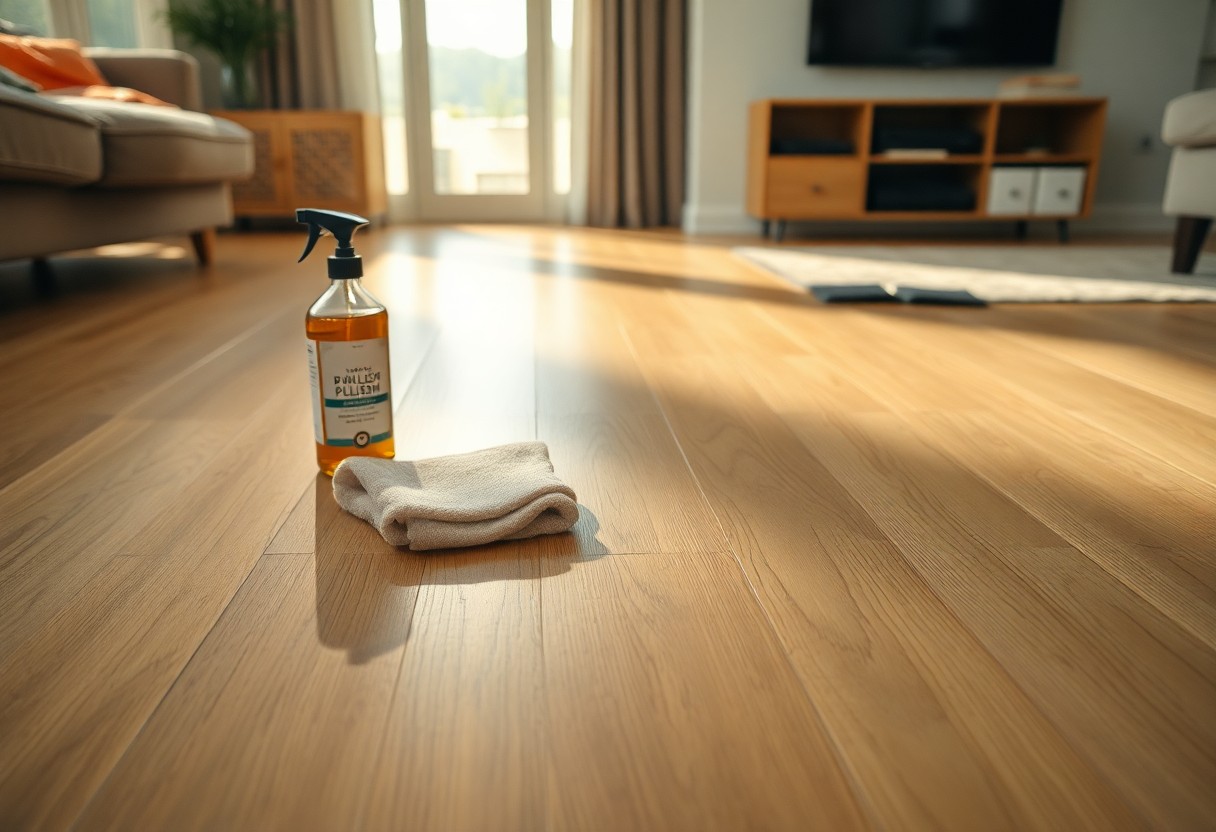
The Science of Protecting Your Finish: Preventing Damage
Protecting the finish on your white oak flooring requires a proactive approach. Regular maintenance and awareness of factors that can lead to wear and tear will extend the life and beauty of your floors. With the right protection strategies, you can keep your flooring looking pristine and resistant to daily abrasions.
Understanding the Vulnerabilities of White Oak
White oak is a strong and durable species, yet it’s not impervious. Its porous nature can make it susceptible to staining from spills, while humidity fluctuations can cause expansion and contraction, risking gaps and warping. Being aware of these vulnerabilities helps you take control over their longevity.
Essential Do’s and Don’ts for Floor Care
Proper care makes all the difference for your white oak flooring. Do routinely sweep or vacuum to remove grit and dirt, which can cause scratches. Use a damp mop with a mild cleaner specifically formulated for hardwood floors. Avoid harsh chemicals, and don’t use wet mops or steam cleaners, as excessive moisture can damage the finish and wood. Additionally, place rugs or mats at entryways to trap dirt and absorb moisture.
When caring for your flooring, the details matter. For instance, after cleaning, ensuring the floor is completely dry can prevent moisture damage. Frequent re-evaluation of your cleaning tools is also important; microfiber mops are excellent for dusting without scratching, while avoiding string mops helps protect the finish. Consistently applying a protective wax or finish every few years will also help shield your floors against scuffs and discoloration, ensuring they maintain their elegant appearance for years to come.
Seasonal Care: Adapting to Environmental Changes
Seasonal shifts can bring about significant changes in humidity and temperature, both of which can impact the stability and appearance of your white oak flooring. By understanding these variations and adjusting your maintenance practices accordingly, you can keep your floors looking pristine all year round. Taking proactive steps during each season can mitigate issues related to expanding or contracting wood, protecting your investment from long-term damage.
Addressing Humidity and Temperature Fluctuations
| Spring | Maintain a humidity level of 30-50% to prevent excess moisture absorption. |
| Summer | Use air conditioning or dehumidifiers to control moisture content; ensure proper ventilation. |
| Fall | Monitor temperature changes; use rugs to insulate against cold drafts when temperatures drop. |
| Winter | Keep indoor humidity levels around 30%; avoid direct heat sources that may dry out the wood. |
Best Practices for Seasonal Deep Cleaning
Performing a thorough deep cleaning of your white oak flooring at least once a season can preserve its longevity and beauty. Focus on using a damp mop with a pH-neutral cleaner to avoid damaging the finish. Regularly dusting and sweeping also helps prevent abrasive dirt from scratching your floor. Always follow up with a clean, dry mop to eliminate excess moisture and ensure a polished look.
Your deep cleaning routine should include inspecting for signs of wear and tear, such as scratches or dull spots, and addressing them immediately to prevent further damage. Make it a habit to apply a wood floor maintenance product after deep cleaning to protect the finish. Seasonal attention not only enhances the aesthetic appeal of your floors but also prolongs their lifespan, ensuring they remain a stunning feature in your home for years to come.
The Importance of Professional Maintenance: When to Call in the Experts
Even with diligent care, your white oak flooring may need professional attention. Over time, wear and tear can lead to deeper issues that simple cleaning and minor repairs can’t resolve. Scheduling routine inspections from a flooring specialist helps to identify problems early, ensuring your investment remains in top shape and prolonging the life of your floors.
Recognizing Signs That Require Professional Attention
Look for signs such as deep scratches, warping, or gaps between planks that indicate you need professional help. Discoloration or damage after water exposure may cause irrecoverable harm, so act quickly. Uneven surfaces or creaking sounds can signal underlying structural issues that warrant the expertise of a skilled flooring technician.
Choosing the Right Flooring Specialist
Selecting a flooring specialist involves checking credentials, reading customer reviews, and confirming insurance coverage. A reputable contractor should have experience specifically with hardwood flooring, particularly white oak. Don’t hesitate to ask for references and examples of previous work to ensure quality and reliability.
Look for specialists who are certified by reputable flooring organizations and have positive client testimonials. Companies that provide a detailed estimate, including the scope of work and materials required, exhibit transparency. A good sign is their willingness to address your concerns and educate you on the best practices for maintaining your floors, so you feel empowered to keep your white oak looking beautiful.
DIY Restoration Techniques: Reviving Your Floor’s Beauty
For homeowners looking to rejuvenate their white oak flooring, several do-it-yourself restoration techniques can help restore its charm without breaking the bank. Start by addressing minor scratches and scuffs with a wood touch-up marker or wax filler sticks that match your floor’s hue. If your flooring shows significant wear, consider buffing it with a specialized hardwood floor cleaner followed by a thin application of a product designed to revive the finish. This process can enhance the luster of your floors, making them look refreshed and vibrant again.
Simple Repairs You Can Tackle at Home
Many minor repairs can easily be handled in your own home. For example, if you notice loose or squeaky boards, tightening the screws or applying wood glue can often resolve the issue. Small dents or dings can be treated with a damp cloth and an iron to steam out imperfections. Additionally, you may use a commercial hardwood floor cleaner to gently remove stains, ensuring your floor stays clean and beautiful without the need for professional assistance.
When to Seek Professional Refinishing Services
Despite your best efforts, there comes a time when the condition of your white oak flooring necessitates professional refining. If your floors exhibit deep scratches, large sections of wear, or an uneven finish, hiring experts is advisable. They possess the specialized equipment and knowledge to appropriately sand and refinish your floors, bringing them back to their original splendor. Additionally, if you’ve tried DIY methods without seeing improvements, a professional can assess the damage accurately and recommend a tailored restoration plan for your unique flooring.
Considering professional help for refinishing should be a strategic decision based on the extent of wear and tear. If you’re questioning whether to go this route, evaluate the severity of surface damage like significant scratching or dull spots that no cleaning solution seems to remedy. Furthermore, if you’re unsure about the right refinishing technique or product to use, consulting with professionals can save you from potential mistakes and help you choose a method that will enhance the long-term durability and appearance of your flooring.
Conclusion
Presently, maintaining your white oak flooring is key to preserving its beauty and longevity. By regularly cleaning with the appropriate tools, addressing spills promptly, and applying protective coatings, you can keep your floors looking pristine. Additionally, placing mats at entryways and avoiding harsh chemicals will further safeguard your investment. By following these easy tips, you’ll ensure your white oak flooring remains a focal point in your home for years to come.