Over the next few sections, you will discover a comprehensive approach to installing SPC vinyl flooring that ensures a durable and attractive finish for your space. This guide will walk you through every vital step, providing you with the knowledge and confidence necessary to achieve a professional-quality installation in your own home. By following these detailed instructions, you can transform your floors efficiently and effectively, enhancing the beauty and functionality of your environment.
Types of SPC Vinyl Flooring
SPC vinyl flooring comes in two primary types: rigid core and flexible core. Each option offers unique advantages, suited for different applications and preferences. Understanding their differences helps you make an informed choice for your flooring project.
- Rigid Core: Offers excellent stability and durability.
- Flexible Core: Provides added comfort underfoot.
- Waterproof: Both types are generally waterproof.
- Easy Installation: Designed for quick and convenient installation.
- Sustainable Options: Many SPC choices are made from recycled materials.
Knowing your specific needs will guide you to the right type of SPC vinyl flooring for your installation.
| Type | Features |
|---|---|
| Rigid Core | Stability and durability, ideal for heavy traffic areas. |
| Flexible Core | Comfortable underfoot, suitable for residential use. |
| Waterproof | Both options resist moisture effectively. |
| Easy Installation | Click-lock systems available for straightforward setups. |
| Sustainable Options | Made from recyclable materials for eco-friendly choices. |
Rigid Core
Rigid core SPC vinyl flooring features a dense composite core, providing exceptional stability, even in high-traffic environments. This type is less prone to expansion and contraction, making it a reliable choice for commercial spaces. You can enjoy a robust surface that withstands heavy loads while maintaining its aesthetic appeal.
Flexible Core
Flexible core SPC vinyl flooring combines comfort with durability. Designed for residential settings, this flooring type features a softer backing layer that enhances underfoot cushioning. You’ll find it particularly beneficial in areas where standing for long periods is common, offering a pleasant experience during everyday activities.
The flexible core allows for slight movement, making it ideal for spaces that experience temperature fluctuations. This adaptability reduces the risk of damage from expansion or contraction, ensuring your vinyl floor remains intact over time. Many homeowners appreciate the balance of comfort and resilience that comes with a flexible core, perfect for transforming living spaces into cozy environments.
Factors to Consider Before Installation
Several elements play a significant role in the successful installation of SPC vinyl flooring. Evaluate your space and assess practical considerations for the best outcome:
- Type of subfloor and its condition
- Moisture levels in the area
- Climate and temperature fluctuations
- Foot traffic in the space
- Furniture and decor arrangements
Knowing these factors will help you make informed decisions, ensuring a smooth installation process.
Subfloor Preparation
A well-prepared subfloor is key to achieving a flawless SPC vinyl floor. Ensure the subfloor is clean, dry, and level. Remove any debris, old flooring, or adhesives. If there are imperfections, use a leveling compound to create a smooth surface. Checking for moisture barriers is also vital, especially in areas prone to dampness, as excessive moisture can compromise your new flooring.
Room Climate
The room’s climate can impact the performance of your SPC vinyl flooring. Ideal installation conditions typically fall between 65°F and 85°F with humidity levels between 30% and 65%. Extreme temperatures can cause expansion or contraction of the planks, while high humidity can lead to moisture issues beneath the flooring.
Before installation, monitor the temperature and humidity levels for several days. Using a hygrometer can provide accurate readings, allowing you to adjust heating or cooling systems accordingly. Acclimating the flooring planks in the room for at least 48 hours can help minimize issues related to climate. Ensuring a stable environment facilitates long-term durability and visual appeal of your SPC vinyl flooring.
Step-by-Step Installation Guide
| Tools | Materials |
| Utility knife | SPC vinyl planks |
| Measuring tape | Underlayment (if required) |
| Square | Trims and moldings |
| Pull bar | Adhesive (if needed) |
Tools and Materials Needed
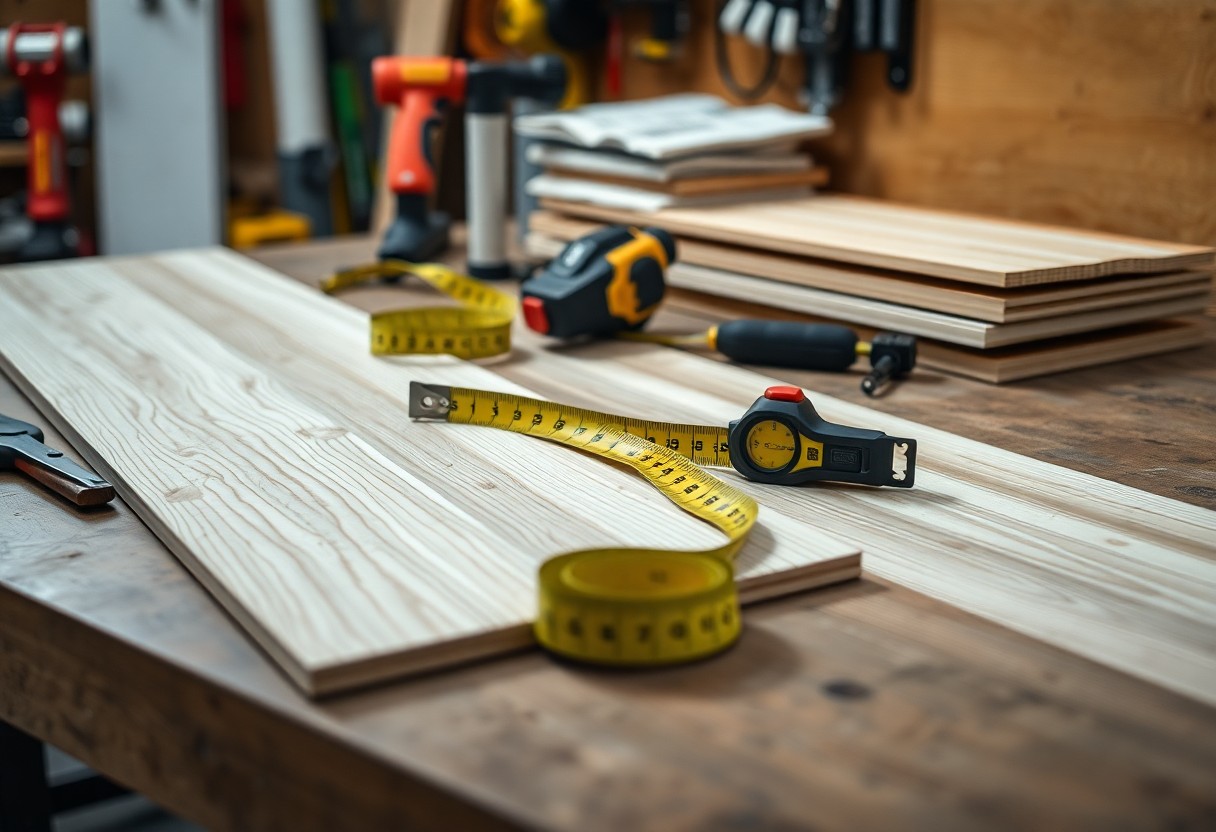
Gathering the right tools and materials is necessary for a smooth SPC vinyl flooring installation. You will need a utility knife, measuring tape, square, and a pull bar for precision and efficiency. The primary material, SPC vinyl planks, should fit your chosen style, while underlayment, trims, moldings, and possible adhesive will enhance the final result.
Installation Process
The installation process for SPC vinyl flooring involves several critical steps, such as preparing the subfloor, acclimating the planks, and laying the flooring. Start by ensuring the subfloor is clean and dry, followed by unpacking and allowing the planks to adjust to the room temperature. Begin installation from the longest wall, using spacers for expansion gaps, and connect each plank with the click-lock system for a seamless finish.
Pay attention to the layout as you proceed to avoid visual inconsistencies. Staggering the seams of the planks not only enhances the aesthetic but also strengthens the flooring. If the planks need to be cut, ensure the use of a utility knife for clean edges. Finally, take care to install the trims and moldings after the planks are laid to cover any expansion gaps and give your flooring a polished look.
Tips for a Successful Installation
Paying attention to a few key details during your SPC vinyl flooring installation can enhance the outcome significantly. Proper acclimation, a clean subfloor, and careful planning will help ensure a seamless finish.
- Acclimate planks for at least 48 hours in the installation area.
- Check for moisture levels in the subfloor.
- Ensure you are working with clean, dry surfaces.
- Use a tapping block to avoid damage during installation.
- Thou must always leave appropriate expansion gaps around the perimeter.
Ensuring Proper Acclimation
Acclimating your SPC vinyl planks is vital for optimal installation. Keep the planks in the area where they will be installed for at least 48 hours. Aim for a temperature between 65°F and 85°F (18°C to 29°C) to ensure the material adjusts to the room conditions. This process helps prevent expansion or contraction after installation, maintaining the integrity of your flooring.
Avoiding Common Mistakes
Common mistakes can detract from the quality of your SPC vinyl flooring installation. Many installers forget to check the subfloor for moisture, leading to warping or mildew. Failure to leave expansion gaps can cause buckling under pressure. Skipping the acclimation process is another frequent error that can create problems down the road. Adequate planning and preparation make the difference between a professional finish and a frustrating installation experience.
For instance, take time to evaluate the subfloor. Using a moisture meter can help detect hidden issues that could compromise your flooring’s performance. Additionally, double-check that you’ve included all expansion gaps around walls and transitions; neglecting this may result in damage as environmental conditions change. Being mindful of these factors will help lead to a successful installation process.
Pros and Cons of SPC Vinyl Flooring
| Pros | Cons |
|---|---|
| Durable and long-lasting | Can be prone to scratching |
| Waterproof surface | Limited repair options |
| Easy installation | May emit VOCs |
| Variety of designs | Not as soft as carpet |
| Affordable price point | Temperature sensitivity |
| Low maintenance required | Can be slippery when wet |
| Good for high-traffic areas | May fade in direct sunlight |
| Sound absorption qualities | Requires a stable subfloor |
| Eco-friendly options available | Weight can affect installation |
| Consistent texture and finish | Not suitable for every environment |
Advantages
SPC vinyl flooring offers numerous advantages, including exceptional durability, making it ideal for high-traffic areas. Its waterproof nature ensures that moisture won’t damage the flooring, while its easy installation process saves both time and labor costs. The variety of designs allows you to achieve the aesthetic you desire without compromising on functionality, and the low maintenance needs make it a hassle-free choice for busy households.
Disadvantages
While SPC vinyl flooring has many benefits, it also presents certain disadvantages that require consideration. One common issue is its susceptibility to scratches, especially in homes with pets or heavy furniture. Additionally, once installed, repairing individual planks can be challenging, leading to the need for full replacement in case of significant damage. VOC emissions are another concern, particularly when first installed, potentially affecting indoor air quality.
The scratching issue can become particularly problematic over time, as even minor abrasions can detract from the appearance of the flooring. High-traffic areas may show wear more quickly, leading you to consider protective measures like rugs or furniture pads. If you’re concerned about indoor air quality, selecting an SPC product with low VOC emissions is advisable, especially for households with small children or individuals sensitive to allergens. Account for these factors to ensure that SPC vinyl flooring aligns with your long-term needs and expectations.
Maintenance and Care for SPC Vinyl Flooring
Proper maintenance and care for SPC vinyl flooring will ensure its longevity and appearance. Regular upkeep will preserve its durable surface and vibrant colors, allowing you to enjoy your flooring for years to come without significant wear. Regular cleaning and long-term care practices are crucial to maintain its aesthetic and functional qualities.
Regular Cleaning
Maintain your SPC vinyl flooring by performing regular cleaning with a microfiber mop or vacuum to remove dirt and debris. Use a manufacturer-recommended cleaner paired with warm water for mopping, avoiding any harsh chemicals that may damage the surface. Keeping high-traffic areas free of grime prevents buildup and preserves your flooring’s shine.
Long-term Care
For long-term care, consider implementing protective measures such as using area rugs in high-traffic locations and furniture pads under heavy items to prevent scratches. Avoid dragging furniture across the floor and adjust humidity levels in your home to reduce expansion or contraction of the vinyl. Periodically check for any loose seams or signs of wear and address them promptly to prevent larger issues.
Long-term care for SPC vinyl flooring also involves maintaining proper humidity levels between 35-65% to minimize the risk of warping or buckling. Avoid exposing your flooring to excessive moisture, particularly in areas like bathrooms and kitchens; utilize rugs in such spots to absorb any potential spills. Regular inspections for signs of damages, such as small scratches or dents, can help you preemptively address problems that could worsen over time. Investing in quality cleaning products specifically designed for vinyl will enhance the overall appearance and durability of your flooring, ensuring it remains in excellent condition for years to come.
Conclusion
Now that you’ve followed this step-by-step guide to successfully install SPC vinyl flooring, you can enjoy a durable and aesthetically pleasing addition to your home. Your careful preparation, precise measurements, and attention to detail during installation will ensure the longevity and performance of your flooring. With the right maintenance, your SPC vinyl will stand the test of time, providing beauty and functionality for years to come.