Maintenance keeps your SPC and laminate floors attractive and long-lasting: clean with pH-neutral cleaners, mop sparingly, use felt pads, control humidity, and repair scratches promptly to protect finish and prevent warping.
Key Factors Influencing SPC and Laminate Durability
Factors like composition, wear layer and moisture exposure shape service life.
- Material composition and core type
- Wear-layer thickness and finish
- Installation, underlayment and moisture control
Assume that proper cleaning and correct installation will maximize lasting beauty.
Understanding material composition and moisture sensitivity
You should inspect core materials and seal quality to judge moisture tolerance, and avoid standing water to prevent swelling or separation.
Evaluating wear layer thickness and surface protection
Check wear-layer mils and factory finishes; thicker mils and durable coatings reduce scratches and preserve appearance under frequent use.
Measure wear-layer thickness in mils and match to expected traffic: 20+ mil for heavy commercial, 12-20 mil for busy homes, 6-12 mil for light use. Look for urethane or aluminum-oxide finishes and embossed textures to resist abrasion and hide minor scuffs. Pair thicker wear layers with regular gentle cleaning and manufacturer-approved products to prolong surface integrity and warranty coverage.
How-to Establish an Effective Daily Cleaning Routine
Daily quick passes-spot-mopping spills and light sweeping-prevent grit from scratching SPC and laminate; you should focus on high-traffic zones and make it part of your morning and evening routine.
Selecting the proper soft-bristle brooms and microfibre mops
Choose soft-bristle brooms to sweep without scratching and microfibre mops to trap fine dust; you should avoid string mops and harsh bristles that can dull the finish over time.
Effective techniques for removing abrasive dust and debris
Use a dry microfibre cloth or electrostatic dust mop to pick up abrasive particles, then vacuum with a floor-brush attachment; you should always lift grit away instead of rubbing it across the surface.
When dealing with abrasive dust, start by sweeping or using an electrostatic dust mop to lift particles; follow with a vacuum fitted with a soft-floor brush to remove embedded grit from seams. Spot-clean stubborn areas with a damp microfibre pad and a gentle cleaner, rinse the pad frequently, and dry the surface quickly. You should also install entry mats and use felt pads under furniture to minimize tracked-in debris.
Tips for Safe Wet Mopping and Deep Cleaning
Use a damp mop and mild cleaner to avoid surface damage while you clean SPC and laminate floors. Recognizing that excess water causes swelling, wring the mop thoroughly and dry seams and edges promptly.
- Choose microfibre mop heads for gentle, effective pickup.
- Wring the mop well to prevent puddles and standing water.
- Dry baseboards and transition strips after each wet cleaning.
Formulating pH-neutral cleaning solutions for synthetic floors
Mix one tablespoon of pH-neutral cleaner per gallon of warm water so you protect wear layers and prevent residue; test a small area before full application to confirm compatibility.
Mastering moisture control to prevent laminate swelling
Manage indoor humidity between 35% and 55% and mop with minimal water so you limit board expansion and keep joints tight; address spills immediately.
You should monitor humidity with a hygrometer, use a dehumidifier or humidifier as needed, avoid steam mops, maintain steady HVAC settings, and repair leaks quickly to prevent long-term swelling, edge lifting, and warped seams.
How-to Prevent Scratches and Surface Indentations
You can minimize scratches and indentations by using entry mats, trimming pet nails, and avoiding dragging heavy objects; spot-protect high-traffic paths and reposition furniture periodically to distribute wear.
Implementing furniture pads and protective floor runners
Place felt pads under chair and table legs, check them monthly, and choose low-profile silicone protectors for heavier pieces; use runners in hallways to reduce abrasion and secure them so you avoid slips.
Managing pet activity and high-traffic zone impact
Limit surface damage by keeping your pet’s nails trimmed, wiping muddy paws before entry, and rotating rugs to even out wear in busy corridors and doorways.
Train your pets to avoid jumping on delicate areas and provide dedicated scratching posts; place washable runners in heavy-use zones, vacuum frequently to remove grit that causes micro-scratches, and replace worn pads or runners before they fail to keep protection consistent.
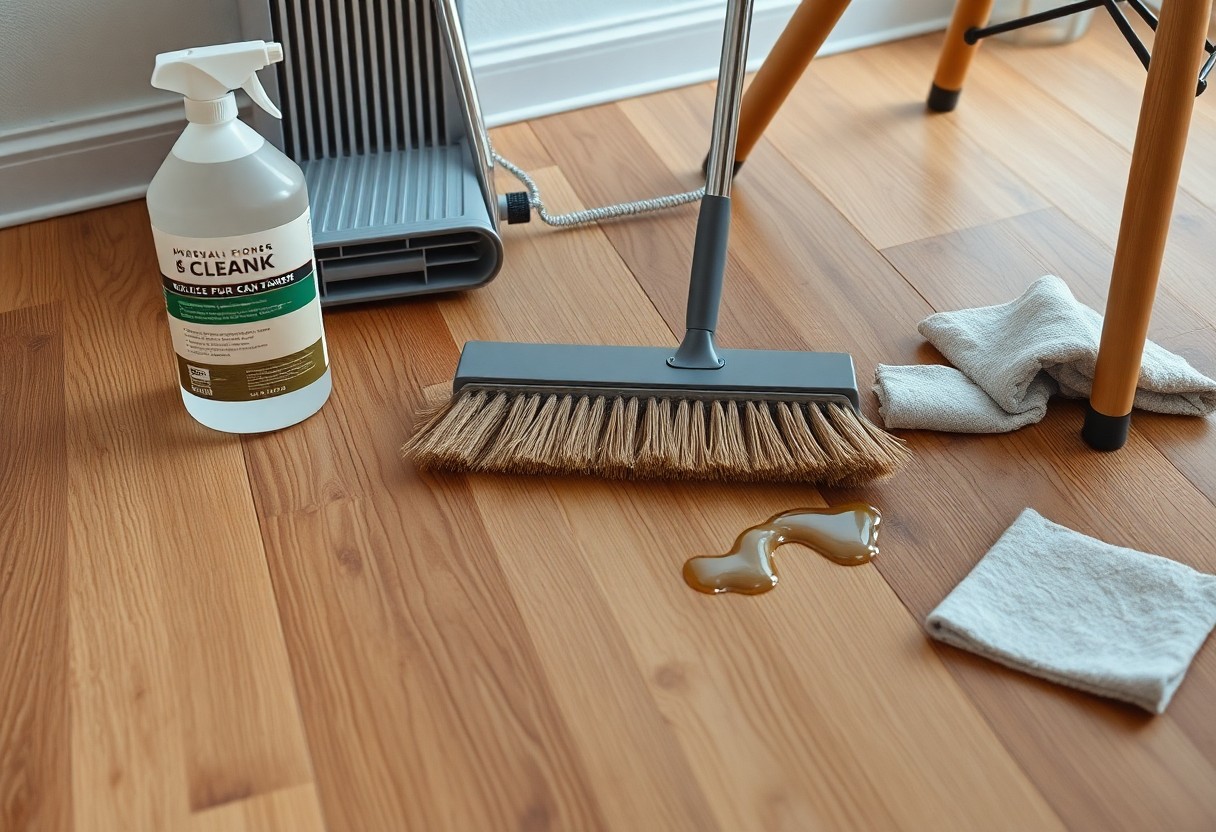
Environmental Factors Affecting Floor Longevity
Air circulation, temperature swings and sunlight shorten SPC and laminate life; you should monitor humidity, limit direct sun, and control room temperature to reduce plank stress.
- Manage indoor humidity with a reliable hygrometer and climate devices.
- Block UV with films, blinds, or well-placed rugs.
- Thou should place mats at entryways and rotate rugs to spread wear.
Regulating indoor humidity to prevent plank expansion
Control indoor humidity to about 35-55% so your planks neither swell nor shrink; use a hygrometer, run humidifiers in winter, and dehumidifiers in summer to maintain stability.
Mitigating UV exposure and sun-induced fading
Shield floors from direct sunlight by installing UV film, using blinds, or rearranging furniture and rugs to slow fading and preserve color.
Apply window films rated for UV blocking, choose low-UV curtain fabrics, rotate area rugs regularly, and select SPC with UV-resistant wear layers so you reduce long-term color loss and keep finishes looking fresh.

Conclusion
As a reminder, you should sweep or vacuum daily, mop with a damp cloth and pH-neutral cleaner, wipe spills immediately, avoid standing water, use entry mats and felt pads, maintain indoor humidity, and follow manufacturer care instructions to preserve SPC and laminate flooring’s finish and longevity.