There’s a lot to consider when undertaking a flooring installation project, from selecting the right materials to understanding the steps involved. This comprehensive guide will walk you through each phase, ensuring that you know what to expect from start to finish. You will gain insights into preparation, installation techniques, and post-installation care, empowering you to make informed decisions and achieve the best results for your space.
Types of Flooring
When identifying flooring, you have a variety of options to consider, with each type offering distinct advantages. Understanding these options will help you make an informed choice that suits your needs and style.
- Hardwood Flooring
- Laminate Flooring
- Vinyl Flooring
- Tile Flooring
- Carpet Flooring
Knowing your lifestyle, budget, and aesthetic preferences will guide you toward the best flooring solution for your home.
| Type of Flooring | Characteristics |
| Hardwood | Natural, durable, can be refinished |
| Laminate | Cost-effective, scratch-resistant, easy installation |
| Vinyl | Waterproof, versatile, low maintenance |
| Tile | Durable, water-resistant, available in various designs |
| Carpet | Soft, warm, sound-absorbing |
Hardwood Flooring
Hardwood flooring offers a timeless look and unparalleled durability. It’s available in various species, allowing you to choose a finish that complements your home’s aesthetic. Regular maintenance includes refinishing to keep it looking new and lasting for decades.
Laminate Flooring
Laminate flooring is a fantastic alternative to hardwood, featuring a realistic wood appearance at a fraction of the cost. It’s resistant to scratches and stains, making it ideal for high-traffic areas in your home.
Available in numerous styles and colors, laminate flooring can mimic the look of wood, stone, or tile. Installation is straightforward, using a click-lock mechanism that you can often complete as a DIY project, enhancing its appeal for budget-conscious homeowners.
Vinyl Flooring
Vinyl flooring combines style with functionality, offering water resistance and easy maintenance. It is available in sheets, tiles, or planks, allowing for versatile design options in any room.
Vinyl’s cushioned surface provides comfort underfoot, making it suitable for busy areas such as kitchens and bathrooms. Modern vinyl options now feature advanced designs that replicate the appearance of natural materials while maintaining cost-effectiveness and durability.
Tile Flooring
Tile flooring is known for its durability and water resistance, making it a top choice for bathrooms and kitchens. Available in ceramic, porcelain, and natural stone, it offers a plethora of design opportunities to transform your space.
With proper installation and maintenance, tile can last for decades. Its cool surface is also ideal for warm climates and can be heated for comfort in colder areas, allowing you to enjoy both aesthetics and practicality.
Factors to Consider Before Installation
Before plunging into flooring installation, you must evaluate several factors that will influence the outcome of your project. Consider the following:
- Type of flooring material
- Subfloor condition
- Installation methods
- Time and labor requirements
- Existing decor and style
After considering these aspects, you can make informed decisions that align with your needs.
Budget
Your budget significantly impacts your flooring choices and installation process. Factor in not only the cost of materials but also labor, subfloor prep, and potential hidden expenses. Establishing a clear budget allows you to browse flooring options that fit within your financial plan, ensuring a smoother installation experience.
Room Usage
The intended use of the room plays a vital role in your flooring decision. High-traffic areas may necessitate more durable materials, while bedrooms might prioritize comfort and aesthetics. If children or pets are present, opt for materials that can withstand wear and can be easily cleaned.
For instance, a living room or hallway benefits from scratch-resistant options such as luxury vinyl or laminate. On the other hand, spaces like bathrooms or kitchens require water-resistant materials like ceramic tiles to prevent moisture damage. Additionally, consider how the room’s use might change over time to avoid premature wear.
Climate
Your local climate can directly influence your flooring choice. Humidity levels, temperature fluctuations, and seasonal weather patterns can affect various materials differently. For example, hardwood flooring may expand and contract in response to humidity, while vinyl is less affected by these changes, making it a better option in areas with extreme climates.
In regions with high humidity or frequent rainfall, moisture-resistant options like tile or engineered wood may be preferable. Conversely, in arid climates, traditional hardwood may perform well, but ensure it’s properly sealed to withstand dryness. Considering these factors will lead to a more durable and long-lasting flooring choice suited for your environment.
Step-by-Step Installation Process
| Step | Description |
| Preparing the Foundation | Ensure the subfloor is clean, dry, and level before proceeding with installation. |
| Laying the Flooring | Install your chosen flooring material following the manufacturer’s guidelines and proper techniques. |
| Finishing Touches | Add trim, transitions, and perform final inspections for a polished look. |
Preparing the Foundation
Before you start laying your new flooring, inspect and prepare the foundation. This involves cleaning the subfloor thoroughly, checking for moisture, and leveling any uneven areas. Use appropriate tools such as a level and moisture meter to ensure your foundation is suitable for installation, as any imperfections can impact the longevity and appearance of your new floor.
Laying the Flooring
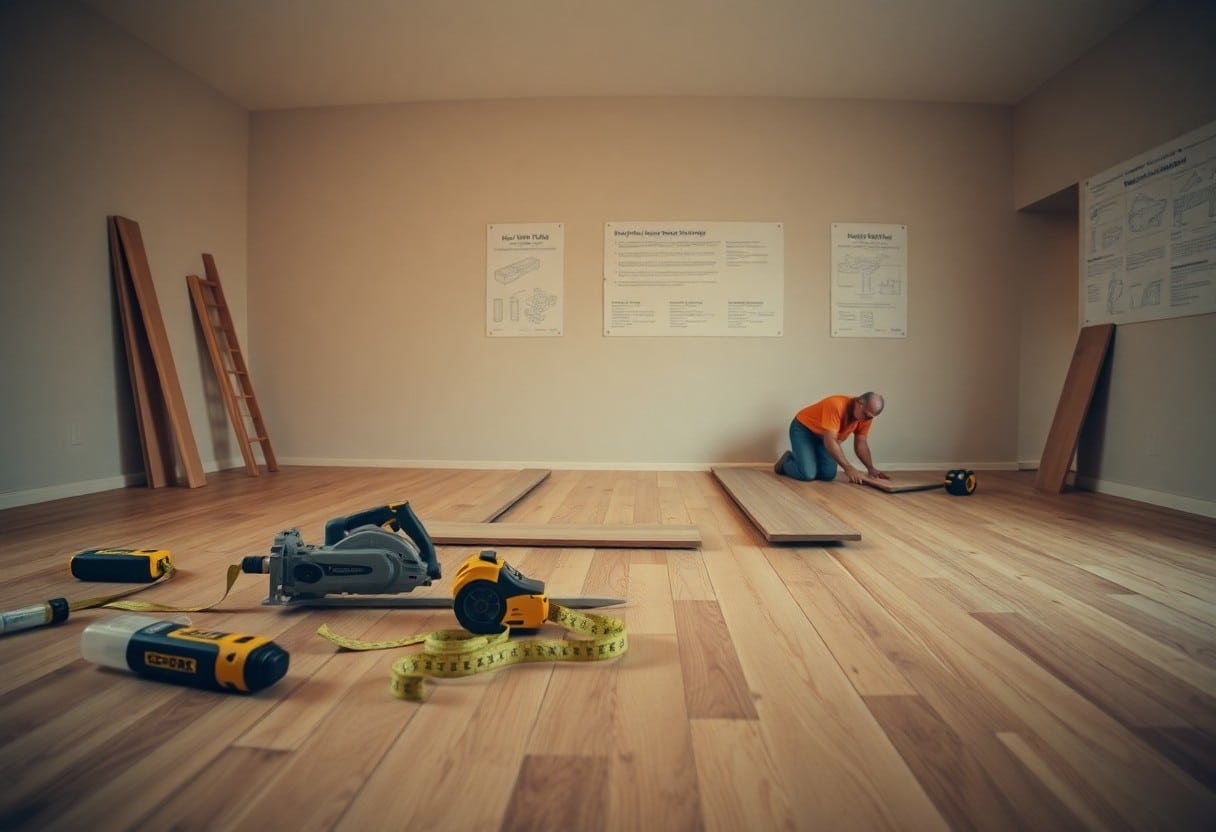
Your flooring installation begins with carefully following the manufacturer’s instructions. Start by acclimating the flooring material to your room’s temperature and humidity. Lay the first pieces in a straight line, using spacers where necessary, to ensure a consistent expansion gap along the edges. Continue laying the flooring, staggering seams as required to create a visually appealing and sturdy surface.
As you lay the flooring, it’s important to consistently check for alignment and fit. Utilize a tapping block to ensure pieces are snug without damaging the edges. If you’re working with click-lock systems, listen for that reassuring click to confirm each piece is securely in place. Be mindful of patterns or designs; proper orientation through the installation will enhance the overall aesthetic.
Finishing Touches
Once your flooring is installed, it’s time to add the finishing touches. Install baseboards or quarter-round trim to cover expansion gaps and give your floor a clean, polished look. Make sure to caulk along edges if necessary for a seamless transition. Conduct a final inspection to verify everything is in place, ensuring a professional finish that invites admiration.
Finishing touches transform your flooring from functional to beautifully refined. Adjust any door frames if needed to accommodate the new height and prevent any obstruction. Pay attention to detail, as adjusting thresholds and installing transition strips where the new flooring meets other types will enhance both the functionality and appearance of your space. These final adjustments make all the difference in creating an inviting and complete environment.
Tips for a Successful Installation
A successful flooring installation hinges on preparation and attention to detail. Ensure that your subfloor is clean and level, and acclimate your flooring materials to the environment before installation. Following manufacturer guidelines and using proper techniques will yield the best results.
- Invest in quality materials.
- Prepare your subfloor adequately.
- Acclimate flooring materials to the room temperature.
- Be mindful of expansion gaps.
- Utilize proper tools for tasks.
Perceiving the importance of these factors can significantly enhance your installation experience.
Tools and Equipment Needed
For a smooth installation process, gather vital tools such as a measuring tape, square, level, utility knife, underlayment, and a flooring nailer or stapler, depending on your chosen materials. Additionally, having safety equipment like goggles and knee pads will enhance comfort and safety throughout the project.
Common Mistakes to Avoid
Many homeowners make mistakes that can jeopardize their flooring installation. A common error is neglecting to acclimate flooring materials, leading to buckling or gaps after installation. Failing to properly measure and mark your cuts can waste materials and time, while not allowing for adequate expansion space can cause future problems. Ensuring you follow steps in sequence will save you headaches later.
Other frequent pitfalls include using improper adhesive for glue-down installations, choosing the wrong underlayment, and not double-checking measurements before cutting. You might also find that rushing through steps leads to uneven seams and poor aesthetics. Performing due diligence with these aspects as you proceed ensures a polished, durable finish and extends the lifespan of your flooring. Prioritizing quality control throughout the installation process will also safeguard you against costly repairs in the future.
Pros and Cons of Different Flooring Types
Pros and Cons of Common Flooring Options
| Pros | Cons |
|---|---|
| Durable | Can be expensive |
| Easy maintenance | Susceptible to scratches |
| Variety of styles | Temperature sensitivity |
| Eco-friendly options | Installation can be challenging |
| Improves resale value | Requires periodic refinishing |
Advantages
Various flooring types offer distinct advantages tailored to your needs. For instance, hardwood flooring enhances aesthetics and increases home value, while laminate flooring provides an affordable and durable alternative, often mimicking the appearance of real wood. Vinyl options are water-resistant, making them ideal for high-moisture areas, and tiles can offer both beauty and longevity with minimal upkeep.
Disadvantages
While flooring options bring benefits, drawbacks also need consideration. For example, hardwood floors can scratch easily and require refinishing over time. Laminate, while budget-friendly, may not hold up as well under heavy foot traffic compared to its hardwood counterpart. Additionally, certain materials can be less comfortable to stand on for extended periods, and susceptibility to moisture can limit versatility in numerous home areas.
The limitations of flooring types can significantly impact your choice. For example, hardwood floors, though timeless, can be prone to warping in humid environments, making them unsuitable for basements or bathrooms. Similarly, while tile is durable, the grout lines may harbor dirt and mold, necessitating additional cleaning efforts. Selecting the right flooring involves balancing these disadvantages with your lifestyle, budget, and desired aesthetics to achieve optimal satisfaction.
Maintenance and Care
Your flooring investment deserves proper maintenance to ensure longevity and appearance. Regular care not only enhances the look of your flooring but also prolongs its life. Different materials require tailored approaches, so knowing how to care for your specific flooring type will yield the best results. The following sections detail important routine cleaning practices and long-term care recommendations for various flooring options.
Routine Cleaning
Your flooring’s cleanliness starts with routine maintenance. Sweep or vacuum regularly to remove dirt and debris that can scratch surfaces. For hard surfaces, damp mopping with a suitable cleaner keeps them glossy without damaging the finish. Carpeting benefits from regular vacuuming and occasional professional cleaning to eliminate deep-set dirt and allergens.
Long-term Care Recommendations
To wrap up
From above, you have gained a comprehensive understanding of flooring installation, preparing you for what to expect throughout the process. Whether you choose to tackle the project yourself or hire professionals, knowing the steps involved will save you time and ensure a successful outcome. By following this guide, you can confidently select the right materials, understand the timeline, and address common challenges, ultimately enhancing the beauty and functionality of your spaces.