There’s a timeless elegance that white oak flooring brings to any setting, making it an exceptional choice for your home. In this comprehensive guide, you will explore the benefits of white oak, the various styles available, and practical tips for selecting the perfect flooring that complements your space. Whether you are renovating or building from scratch, this guide will empower you to make informed decisions and transform your living area into an inviting and stylish retreat.
Elevate Your Aesthetic: The Visual Appeal of White Oak Flooring
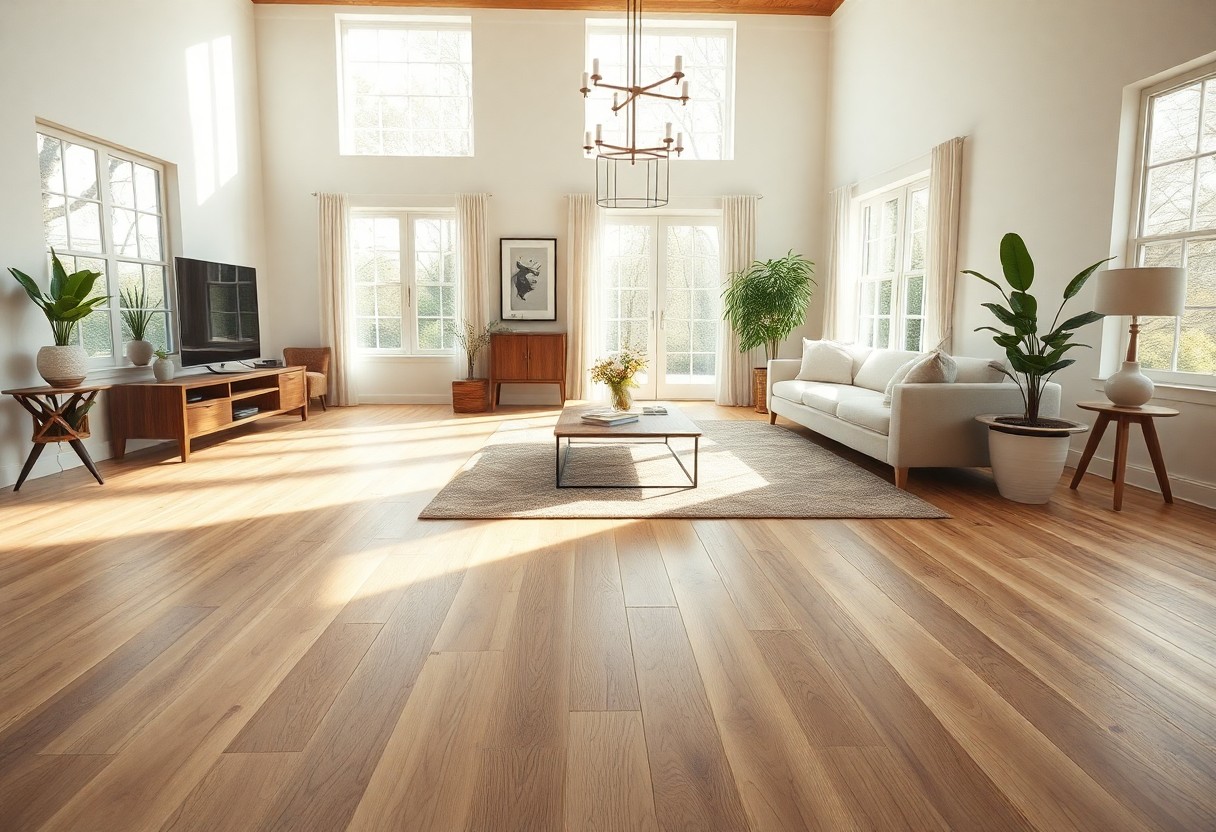
White oak flooring offers a uniquely sophisticated aesthetic that can elevate any space. Its light, warm tones create an inviting atmosphere, while the grain patterns add depth and character. The natural variations in color—from soft beige to rich honey—allow it to harmonize beautifully with various interior designs, making it a versatile choice that enhances the beauty of your home.
Architectural Compatibility: Blending with Various Design Styles
White oak seamlessly enhances diverse design styles, from modern minimalism to rustic charm. Its neutral palette pairs effortlessly with contemporary furnishings, while the organic grain complements farmhouse and cottage aesthetics. You can confidently incorporate white oak flooring in your home knowing it will unify and elevate the visual harmony of any decor theme.
Creating Ambiance: The Impact of Color Tone and Texture
The color tone and texture of white oak flooring significantly influence the ambiance of your space. Warm hues evoke a cozy and inviting atmosphere, perfect for living areas and bedrooms, while cooler tones can impart a more sophisticated and airy feel, ideal for open-concept designs. Textural variations in the wood add tactile interest, inviting a sense of warmth and comfort underfoot.
Taking into account the aesthetic implications of color tone and texture adds another dimension to your home’s design. For instance, a lighter white oak finish can brighten smaller rooms, creating the illusion of more space, while a darker stain can add elegance and depth to larger areas. Distressed or wire-brushed finishes bring an element of rustic appeal, imbuing character and making them particularly suitable for high-traffic areas. An understanding of how these elements contribute to mood and style personalization can significantly enhance your overall design choices.
Durability Meets Design: Why White Oak is a Smart Investment
White oak flooring combines aesthetic charm with remarkable durability, making it an exceptional investment for your home. Known for its strength and versatility, this hardwood not only withstands heavy foot traffic but also adds a touch of class to your interiors. Selecting white oak means choosing a floor that effortlessly complements any design scheme while enduring daily wear and tear, ensuring a beautiful and resilient foundation for your space.
Hardness and Resilience: Evaluating Performance Metrics
White oak ranks high on the Janka hardness scale, measuring around 1,360 lbf (pounds of force) which places it among the toughest hardwoods available. This impressive hardness translates into a resilient surface that resists dents, scratches, and other damage, making it ideal for busy households. Its durable nature allows you to enjoy your flooring for years without sacrificing style or comfort.
The Long-Term Cost Benefits: Value Retention and Maintenance
Investing in white oak flooring often results in significant long-term financial benefits. With proper care, white oak can maintain its value over time, frequently outpacing other flooring materials in resale value. While regular maintenance is crucial—such as cleaning and occasional refinishing—the overall upkeep costs remain reasonable given the flooring’s durability and longevity.
Choosing white oak flooring leads to a direct enhancement of your home’s marketability. Homes featuring high-quality materials like white oak generally attract buyers faster and often command higher prices. The ability to sand and refinish this flooring multiple times further prolongs its lifespan, offering added savings that convenient laminate or carpet alternatives may lack. Plus, with minimal maintenance and a timeless appeal, you’ll find yourself investing less in repairs and more in enjoying your beautiful living space over the years.
Sustainability Factor: Eco-Friendly Considerations of White Oak
Choosing white oak flooring aligns beautifully with eco-conscious living. This natural material not only enhances the aesthetic appeal of your space but also reflects a commitment to sustainability. White oak trees grow abundantly in North America, which allows for responsible sourcing and less environmental impact compared to imported hardwoods. Investing in white oak helps reduce your carbon footprint and contributes positively to the environment. You can enjoy the beauty of your flooring while knowing that you’ve made a sustainable choice.
Sourcing Responsibly: The Importance of Sustainable Harvesting
Responsible sourcing is at the heart of sustainable white oak flooring. Many manufacturers now focus on sourcing their wood from certified forests that adhere to strict environmental and social standards. This practice not only ensures that the trees are harvested responsibly but also contributes to the preservation of ecosystems and wildlife habitats. By choosing a supplier committed to sustainable harvesting, you directly support forest regeneration and the health of our planet.
Lifecycle Assessment: Evaluating Environmental Impact and Longevity
The lifecycle assessment of white oak flooring reveals its long-term sustainability advantages. This evaluation considers factors such as production, installation, and potential end-of-life impacts, highlighting how long-lasting materials contribute to reduced overall environmental burden. White oak is known for its durability, often exceeding 30 years of lifespan with proper care. This longevity means fewer replacements over time, lowering demand for new resources and minimizing waste.
Understanding the lifecycle assessment of white oak flooring emphasizes its role in eco-friendly home design. The durability of white oak not only elevates the style of your space but also means less frequent replacements, resulting in significant material savings over decades. This flooring option often requires less maintenance and fewer refinishing products, reducing chemical use. When white oak ultimately reaches the end of its life, it can be recycled or repurposed, further minimizing its environmental impact. Opt for material that marries timeless design with an eco-responsible ethos, making a sound choice for both your home and the planet.
Installation Insights: Unveiling the Process of Laying White Oak
Understanding the installation process of white oak flooring is crucial for achieving a flawless finish. Whether you’re opting for a DIY approach or hiring professionals, the method of laying the planks can significantly impact their longevity and aesthetic appeal. Expect to go through a series of steps, from acclimating the wood to securing the planks, each requiring precision and care to ensure a successful installation.
DIY vs. Professional Installation: Pros and Cons
Deciding between a DIY project and hiring professionals can impact your installation experience. Weigh the benefits and drawbacks by considering factors like budget and expertise.
| Pros | Cons |
|---|---|
| Cost savings on labor fees | Requires time and effort to learn skills |
| Complete control over the installation process | Potential for mistakes leading to costly repairs |
| Flexibility in scheduling | Physical strain and challenges for beginners |
| Opportunity to personalize your home | Less access to professional-grade tools |
| Satisfaction from completing the project yourself | May void warranties on flooring materials |
Preparing Your Space: Essential Steps Before Installation
Preparation of your space is pivotal to the success of your white oak flooring installation. Make sure to clear the area of existing furnishings and debris, as you will need a clean surface to work on. Additionally, consider making any necessary repairs to the subfloor and addressing moisture issues. Proper acclimation of your flooring materials is also crucial, allowing the wood to adapt to the temperature and humidity of your home before installation.
Start by removing old flooring, baseboards, and any tack strips, ensuring your subfloor is clean and level. Use a moisture meter to check the humidity levels in the subfloor; ideally, it should be below 12%. Depending on the installation method, you may also need a vapor barrier to protect against moisture. Finally, allow your white oak planks to acclimate in the room where they will be installed for at least 48 hours, ensuring optimal fit and performance once laid.
Care and Maintenance: Preserving the Beauty of White Oak Flooring
Maintaining the elegance and functionality of your white oak flooring demands a consistent care routine. Regular cleaning and appropriate treatments can prevent damage and enhance the natural beauty of the wood. Avoiding harsh chemicals and opting for gentle cleaning solutions will go a long way in keeping your floors looking pristine while ensuring longevity. A commitment to maintenance will allow you to enjoy your stunning white oak flooring for years to come.
Daily Care Routines: Keeping Your Floors Pristine
A simple daily cleaning routine can greatly extend the life of your white oak floors. Sweep or vacuum regularly to remove dirt and debris that can scratch the surface. For deeper cleaning, use a damp mop with a pH-neutral cleaner specifically designed for hardwood floors, ensuring no puddles form as excess water can warp the wood. Incorporating these daily habits will keep your floors gleaming and free from damage.
Dealing with Wear: Repair and Refinishing Options
Over time, your white oak flooring may show signs of wear, but addressing these issues efficiently can restore its former glory. Light scrapes and scuffs can often be managed with a quick refinishing, while deeper scratches might require a more extensive touch-up process. Generally, professionals recommend refinishing your hardwood floors every 7-10 years to keep them looking fresh and vibrant, allowing you to maintain their natural charm.
For deeper wear issues, consider sanding and refinishing as effective solutions. This process removes the top layer of finish, allowing you to address any blemishes and restore a smooth surface. A professional refinisher can apply new stains or finishes to meet your aesthetic preferences. You can even add a layer of protective coating to enhance durability. Be proactive about preventing wear by using area rugs in high-traffic zones and placing felt pads under furniture legs to protect your flooring from scratches. This level of attentiveness can significantly reduce the need for extensive repairs and prolong the life of your white oak floors.
Final Words
Conclusively, selecting white oak flooring for your home can significantly enhance its aesthetic and functional appeal. By considering the various styles, finishes, and maintenance tips outlined in this guide, you can make an informed decision that aligns with your vision and lifestyle. Investing in quality flooring not only boosts the resale value of your property but also creates a warm and inviting atmosphere you can enjoy for years to come. Embrace the beauty and durability of white oak to transform your space into a true reflection of your personal style.