With a wide range of options available, understanding giant flooring installation can transform your living space into a stylish and functional area. This guide walks you through the vital aspects of the process, from selecting the right materials to preparing your home for installation. You’ll gain insights on maintenance and care, helping you to make informed decisions that enhance your environment while ensuring long-lasting durability.
Understanding Giant Flooring
What Is Giant Flooring?
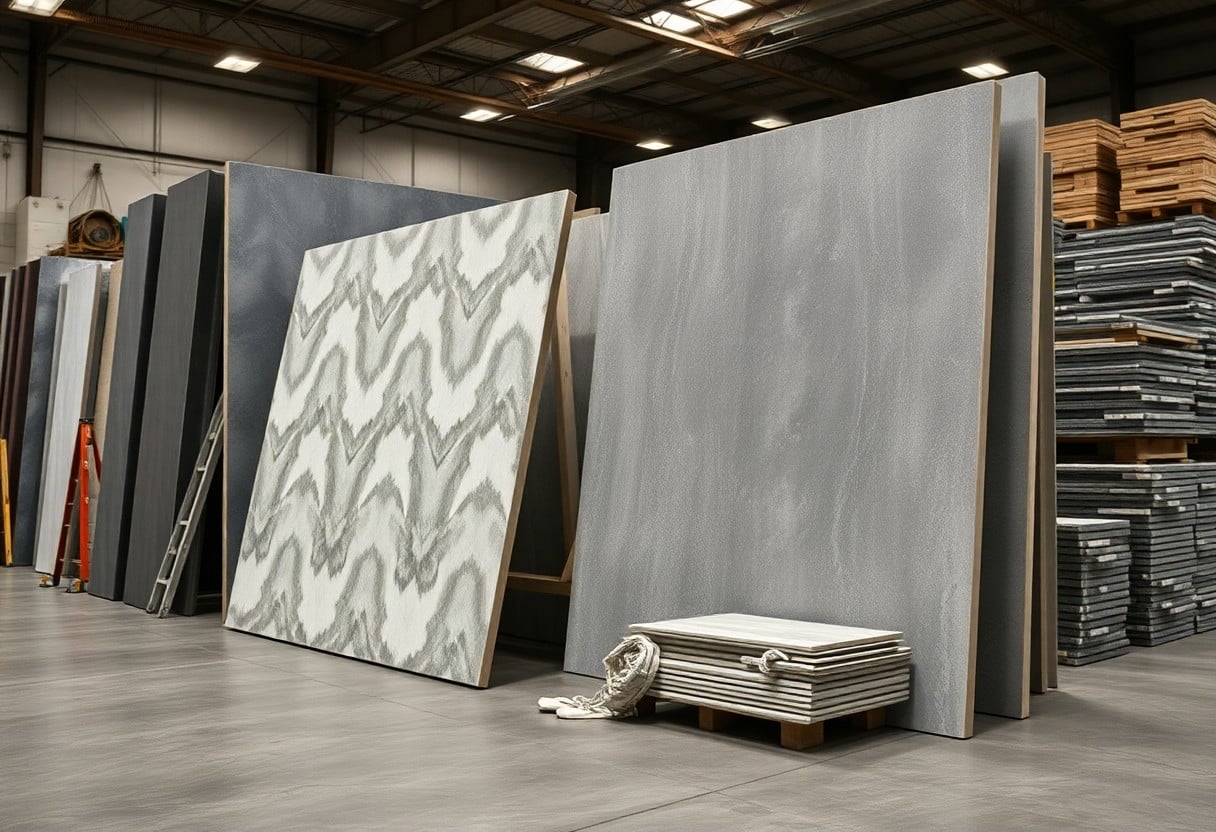
Giant flooring refers to oversized flooring panels that typically measure four feet by eight feet or more, offering a seamless look that standard-sized planks cannot achieve. This innovative option is increasingly popular in modern interior designs, as it minimizes grout lines and enhances visual continuity across large spaces. Ideal for residential and commercial applications alike, giant flooring comes in various materials, including vinyl, laminate, and engineered wood, allowing you to choose the best fit for your space and lifestyle.
Benefits of Giant Flooring
Choosing giant flooring provides multiple advantages, including faster installation, fewer seams, and easier maintenance. The reduced number of seams translates to a more cohesive aesthetic, while larger panels can cut installation time significantly, meaning you can enjoy your new floors sooner. Additionally, giant flooring can help to reduce dust and allergens due to fewer joints trapping particles, making it a healthier option for your living environment.
Beyond aesthetics and practicality, giant flooring also offers remarkable durability and longevity. For instance, a recent study revealed that homeowners who opted for giant vinyl panels reported up to a 25% increase in resilience against scratches and dents compared to traditional flooring options. Moreover, the ease of cleaning and lesser maintenance requirements mean you spend less time worrying about upkeep and more time enjoying your space. With manufacturers continually improving their products’ sustainability, you can also find eco-friendly options that contribute to your home’s environmental footprint reduction.
Preparation for Installation
Preparation sets the foundation for a successful giant flooring installation. You’ll want to ensure your space is ready for the transformation by assessing dimensions, existing flooring conditions, and any potential obstacles that may arise during installation. This will prevent delays and help you determine the materials you’ll need for a seamless installation process.
Assessing Your Space
Begin by measuring your room’s length and width to calculate the total square footage. Take note of any irregularities, such as alcoves or built-in features, which could affect the flooring layout. Inspect the current flooring for levelness and damage, as this will help you identify any necessary repairs or adjustments beforehand.
Gathering Necessary Tools and Materials
Collecting the right tools and materials is imperative to streamline your installation. Standard tools include a measuring tape, utility knife, flooring adhesive, spacers, and a roller. You’ll also need your chosen giant flooring options, whether planks or tiles, along with any underlayment required for your specific flooring type.
When gathering your materials, consider purchasing extra flooring-about 10% more than your measured area-to account for cuts and potential mistakes. Ensure your tools are in good condition; for example, a sharp utility knife will make cleaner cuts. Additional materials like flooring transitions and trim can enhance the finished look, creating a polished appearance that complements your design. Having everything ready before starting will greatly improve efficiency and reduce frustration during the process.
Installation Process
The installation process for giant flooring requires careful attention to detail and specific techniques to ensure durability and aesthetic appeal. Following a structured approach minimizes mistakes and maximizes the quality of your finished floor.
Step-by-Step Guide
| 1. Acclimate materials | Allow the flooring to adjust to room temperature and humidity for 48 hours. |
| 2. Prepare the subfloor | Ensure it is clean, level, and dry for optimal adhesion. |
| 3. Plan layout | Lay out planks before installation to decide the best arrangement. |
| 4. Begin installation | Start from the corner and work your way out, using the recommended adhesive. |
| 5. Cut planks as needed | Use a saw to make precise cuts for a perfect fit. |
| 6. Finish with transitions | Install transition strips at doorways and edges for a polished look. |
Common Mistakes to Avoid
Avoiding common pitfalls during flooring installation can save you both time and money. Many homeowners overlook crucial preparation steps, such as properly acclimating the flooring or neglecting subfloor repairs, which can lead to issues like warping or uneven surfaces.
Ignoring humidity levels in your home can also result in expansion or contraction of the flooring after installation. Additionally, failing to use the right adhesive or not following manufacturer guidelines often leads to premature wear. To ensure longevity, always double-check your measurements, follow the installation guide closely, and don’t rush the process. Each step is crucial for achieving a professional finish that lasts.
Maintenance and Care
Maintaining your giant flooring is important for longevity and aesthetics. Regular care avoids issues like scratches, scuffs, and stains, ensuring that your investment looks its best for years to come.
Cleaning Tips
To keep your giant flooring pristine, implement a consistent cleaning routine. Use a soft-bristle broom or a vacuum with a hard floor setting to remove debris, and damp mop with a gentle cleaner designed for your flooring type.
- Wipe spills immediately to prevent staining.
- Place mats at entrances to reduce dirt.
- Avoid harsh chemicals which can damage surfaces.
After cleaning, allow the floor to dry completely before walking on it.
Long-term Care Strategies
For optimal long-term care, consider implementing a few additional strategies. Regularly check for signs of wear and tear, and apply protective seals when necessary to maintain the integrity of the floor. Additionally, rearranging furniture occasionally can prevent uneven wear. Investing in quality floor protectors for heavy furniture will also help maintain your flooring’s finish.
Cost Considerations
Understanding the financial aspects of giant flooring installation is necessary for planning your project effectively. Costs can vary significantly based on the type of material, labor expenses, and any additional features you might want to include. On average, you can expect expenses to range from $2 to $10 per square foot, depending on the flooring choice. Including factors such as preparation work or disposal of old flooring can also impact your final budget.
Budgeting for Installation
When budgeting for installation, create a clear outline of anticipated costs, including materials, labor, and any additional services, such as removal of existing flooring. Assess your space to measure the area accurately, as this will help you avoid overestimating your needs. Always set aside a contingency fund, typically around 10% of the total project cost, to cover unexpected expenses that may arise during the installation process.
Potential Cost Savings
Identifying potential cost savings can significantly impact your overall expense on flooring installation. Consider sourcing materials at wholesale prices or exploring local suppliers to find competitive rates. Additionally, certain flooring options, like vinyl or laminate, may offer lower costs without compromising on aesthetics. DIY installation is another way to save money if you have the skill set to complete the work yourself.
It’s worth noting that some retailers offer seasonal discounts or sales events, which can substantially lower your material costs. Additionally, investing in higher-quality flooring may also result in long-term savings due to increased durability and reduced maintenance needs. Evaluating different flooring types and shopping around can lead to unexpected financial benefits, allowing you to achieve the look you desire without overstretching your budget.
Professional vs. DIY Installation
Choosing between professional and DIY installation for giant flooring requires careful consideration of your skills, time, and resources. Professionals typically ensure precise measurements, proper techniques, and a warranty for their work, while DIY projects allow you to save money and customize the installation process. Ultimately, your decision should factor in both the complexity of the project and your confidence in handling flooring materials.
When to Hire a Professional
If you lack experience with flooring projects or your space has unique challenges, hiring a professional is advisable. Complex layouts, time constraints, or specific material requirements often necessitate expert assistance to ensure a flawless installation. Additionally, if you’re after a quick turnaround or want to avoid potential mistakes, professionals can deliver quality workmanship efficiently.
Advantages of DIY Installation
Opting for DIY installation can lead to significant cost savings and a rewarding sense of accomplishment. You’ll gain hands-on experience and the flexibility to work at your own pace, tailoring the project to your preferences without the constraints of a contractor’s schedule. Furthermore, taking on this project can foster creativity, allowing you to personalize details that reflect your style.
When you choose DIY installation, you also maintain greater control over your budget since you eliminate labor costs, which can account for a significant portion of the project’s total expenses. This flexibility allows you to allocate funds toward higher-quality materials or additional features, ultimately enhancing your home’s value. Plus, engaging in the installation process can provide you with a better understanding of your flooring system and future maintenance needs, empowering you to handle minor repairs independently down the line.
Final Words
Presently, you have a comprehensive understanding of giant flooring installation for your home. With the right preparation, knowledge of materials, and a clear understanding of the installation process, you can transform your space effectively. Focus on quality products, ensure proper measurements, and consider professional help if needed. By making informed decisions, you will enhance the aesthetic appeal and functionality of your living environment, providing lasting value to your home.