Flooring decisions can significantly impact your space’s aesthetics and functionality, especially when it comes to SPC vinyl and traditional vinyl options. Understanding the differences between these two types of vinyl flooring will help you determine which one suits your needs and lifestyle. SPC vinyl, known for its durability and natural appearance, offers advantages that may appeal to your preferences, while traditional vinyl provides cost-effectiveness and versatility. This guide will explore the key features of both types to assist you in making an informed choice for your home or business.
Understanding SPC Vinyl Flooring
SPC vinyl flooring, or Stone Plastic Composite, offers a modern alternative to traditional vinyl by combining advanced materials for enhanced performance. This flooring type is engineered to provide exceptional stability, durability, and resistance to moisture, making it an attractive option for both residential and commercial spaces. You’ll find SPC vinyl mimics natural materials like wood and stone, while delivering an easy-to-maintain surface that withstands the wear and tear of daily life.
Composition and Structure
The composition of SPC vinyl flooring consists of a rigid core made from limestone and PVC, providing added strength and durability. This core is layered with a high-definition printing layer and a protective wear layer, which not only enhances the visual appeal but also offers superior scratch and stain resistance. With this multi-layered structure, you gain a flooring solution that performs well under pressure while still being lightweight and easy to install.
Benefits of SPC Vinyl
SPC vinyl flooring brings numerous benefits to your home. Its robust structure offers excellent resistance to water and humidity, making it ideal for kitchens, bathrooms, and basements. Additionally, the flooring’s cushioning underfoot provides comfort while reducing noise levels in your space. You can also enjoy a wide variety of styles that mimic real wood and tile, allowing for beautiful design possibilities that fit your aesthetic needs.
Choosing SPC vinyl means investing in flooring designed for longevity. Unlike traditional vinyl, its rigid core prevents warping and ensures dimensional stability, allowing you to enjoy your floors without worry. Many SPC products come with a high wear layer designed to withstand heavy foot traffic, making them perfect for busy households and commercial environments. The ease of installation, often featuring click-lock systems, adds further value by reducing installation costs and time. Your flooring choices can enhance your environment without compromising on durability.
Exploring Traditional Vinyl Flooring
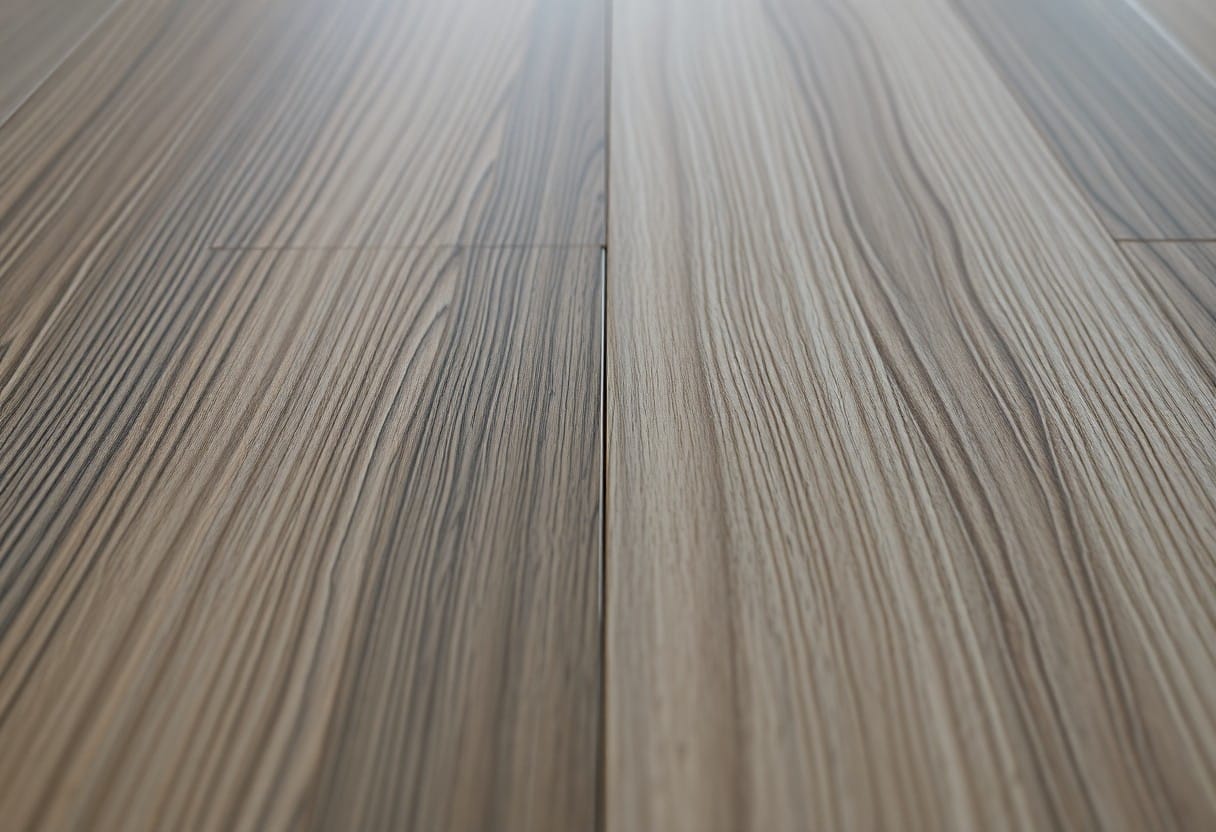
Traditional vinyl flooring remains a popular choice in many homes due to its versatility, affordability, and ease of maintenance. It is made primarily from polyvinyl chloride (PVC), a synthetic plastic polymer, which contributes to its durability and water resistance. You can find it in various styles, colors, and patterns, allowing you to replicate the look of natural materials without the high costs. As a proven flooring solution, traditional vinyl serves a wide range of needs while ensuring comfort and style in your space.
Types of Traditional Vinyl
Traditional vinyl flooring comes in several forms to suit different preferences and applications.
- Sheet Vinyl
- Vinyl Plank Flooring
- Vinyl Tile
- Luxury Vinyl Tile (LVT)
- Glue-down or Click-lock Installation Options
Assume that you choose the right type based on your specific requirements, aesthetics, and installation needs, ensuring satisfaction in your flooring choice.
| Type | Description |
| Sheet Vinyl | Large, continuous rolls that minimize seams. |
| Vinyl Plank Flooring | Planks that mimic hardwood, easy to install. |
| Vinyl Tile | Square tiles that offer design versatility. |
| Luxury Vinyl Tile (LVT) | High-end look, often with textured surfaces. |
| Glue-down | Adhesive required for installation; durable option. |
Advantages of Traditional Vinyl
Opting for traditional vinyl flooring comes with several benefits that can enhance your living space. This flooring type is generally affordable, making it a budget-friendly solution for many homeowners. You will appreciate its low maintenance requirements, as regular sweeping and occasional mopping are usually sufficient to keep it in excellent condition. Additionally, the wide range of styles and designs available allows you to customize your space, while the comfort underfoot makes it a pleasant choice for everyday living.
Traditional vinyl flooring is not only cost-effective but also known for its resilience. Its water-resistant properties make it suitable for moisture-prone areas like kitchens and bathrooms. Moreover, the installation process can often be completed quickly, saving you time and labor costs. You can expect longevity from this flooring type, with many brands offering warranties of up to 20 years or more. Comfortable, stylish, and practical, traditional vinyl flooring has consistently proven to be a valuable choice for a variety of settings.
Durability and Maintenance Comparison
| Feature | SPC Vinyl | Traditional Vinyl |
|---|---|---|
| Wear Resistance | High | Moderate |
| Cleaning Ease | Simple | Moderate |
| Longevity | 20+ years | 10-15 years |
| Water Resistance | Excellent | Good |
Wear Resistance
SPC vinyl flooring stands out with exceptional wear resistance, which is ideal for high-traffic areas in your home. Its rigid core construction significantly reduces the likelihood of scratches and dents, ensuring long-lasting beauty. In comparison, traditional vinyl tends to wear down more quickly, particularly in busy spaces, making SPC an attractive choice for durability.
Cleaning and Upkeep
In the context of cleaning and upkeep, SPC vinyl requires less effort to maintain than traditional vinyl. A simple sweep and occasional mopping with a gentle cleaner will keep your SPC flooring looking new, while traditional vinyl might need more specialized products to prevent discoloration over time.
With SPC vinyl, you can easily maintain its appearance, as it resists stains and moisture problems commonly seen in traditional vinyl. Unlike traditional vinyl, which may warp or discolor if not cared for correctly, SPC vinyl floors offer a resilient surface that can endure spills, making them perfect for kitchens and bathrooms. The maintenance routine is straightforward, giving you more time to enjoy your flooring without worrying about frequent upkeep.
Aesthetic Options and Design
When choosing between SPC vinyl and traditional vinyl flooring, aesthetic options play a significant role in your decision. SPC vinyl provides a wider variety of designs, mimicking natural materials like wood and stone with exceptional realism. Traditional vinyl offers solid colors and simpler patterns but may fall short in delivering the contemporary aesthetics that many homeowners prefer today.
Color and Texture Variability
The color and texture variability in SPC vinyl is remarkable, with options that range from sleek modern finishes to rustic wood looks. You can find SPC styles that incorporate intricate textures, such as distressed or hand-scraped finishes, giving your space a unique character. In contrast, traditional vinyl typically has limited textures and less variety, potentially making it less appealing if you’re aiming for a personalized look.
Trends in Flooring Design
Current trends in flooring design indicate a strong preference for eco-friendly materials and designs that integrate seamlessly into open-concept living spaces. SPC vinyl is leading the way with innovative patterns that cater to minimalistic and industrial aesthetics, while traditional vinyl struggles to keep pace with evolving consumer preferences that seek both style and sustainability.
For instance, earthy tones and subtle textures are prevalent in today’s flooring options, appealing to those who prioritize a natural look. The use of larger planks and tiles in SPC vinyl reflects a trend towards spaciousness and continuity in design. This is complemented by a surge in demand for waterproof and durable options, resonating with homeowners who understand the importance of practicality without sacrificing style. By choosing SPC vinyl, you align with contemporary trends that value versatility and modern aesthetics, ensuring your space feels current and inviting.
Cost Analysis
When weighing your options between SPC vinyl and traditional vinyl flooring, understanding the overall cost is vital. Initial expenses can differ significantly, influenced by material quality, installation methods, and maintenance needs. You’ll want to evaluate both short-term outlays and long-term financial implications to make an informed decision.
Initial Investment
The upfront cost for SPC vinyl typically ranges from $3 to $7 per square foot, while traditional vinyl can be found for as low as $1 to $5. Although SPC might seem pricier, its superior durability and easier installation can offset costs. Factor in additional costs like underlayment and labor for a complete picture.
Long-term Value
Long-term value is where SPC vinyl truly shines. With a lifespan of 20 years or more compared to 5-15 years for traditional vinyl, you gain significant durability. The reduced likelihood of damage means fewer repairs and replacements over time, making it a wise investment for high-traffic areas. Additionally, SPC’s low maintenance requirements translate into savings on cleaning and upkeep.
Choosing SPC vinyl often leads to reduced costs over time due to its resistance to scratches, dents, and moisture. This durability prevents you from needing frequent replacements or repairs, which can be costly. You also avoid issues like warping or fading, common with traditional vinyl, ensuring that your flooring looks new for years. Thus, despite a higher initial investment, the long-term savings and performance benefits make SPC a financially sound choice in the long run.
Installation Process
The installation process varies significantly between SPC vinyl and traditional vinyl flooring, impacting your decision. SPC vinyl features a click-lock system that allows for quicker and more straightforward installation, often requiring little to no adhesive. In contrast, traditional vinyl may need glue or additional underlayment, increasing complexity and installation time. Your choice will depend on your comfort level with DIY projects versus using a professional installer.
DIY vs. Professional Installation
If you’re considering a DIY approach, SPC vinyl may be your best bet due to its user-friendly installation method. Traditional vinyl often involves a more complicated process that may require professional help for a seamless finish. Assess your skills and the tools at your disposal when making this decision.
Timeframes and Complexity
The time it takes to complete your flooring project can differ widely based on the type of vinyl. SPC vinyl typically allows for faster installation—often finishing in just a day, especially for small to medium spaces. Traditional vinyl, on the other hand, can stretch to several days due to the need for more intricate preparations and drying times associated with adhesives.
For example, while laying down SPC vinyl planks in a 200 square foot room could take merely a few hours, preparing a room for traditional vinyl where adhesive must set can extend the timeframe significantly. If your project includes multiple rooms or complex layouts, SPC vinyl could save you both time and effort, while traditional methods may keep you busy longer but could yield a more customized aesthetic. Factor in these details when planning your installation to ensure a smooth process.
Final Words
To wrap up, choosing between SPC vinyl and traditional vinyl flooring depends on your specific needs and lifestyle. If you seek superior durability, water resistance, and ease of installation, SPC vinyl may be the best choice for you. Alternatively, if you prefer a more cost-effective option with a vast array of designs, traditional vinyl flooring could fit your requirements better. Assess your preferences, budget, and intended use to make an informed decision that enhances your space effectively.