Many homeowners face the decision of choosing the right hardwood flooring for their space, and white oak stands out among the options. You might wonder what differentiates it from other hardwoods like red oak, maple, or hickory. This post will guide you through the unique characteristics of white oak, including its durability, grain patterns, and versatility in design, helping you make an informed choice that suits your style and functional needs.
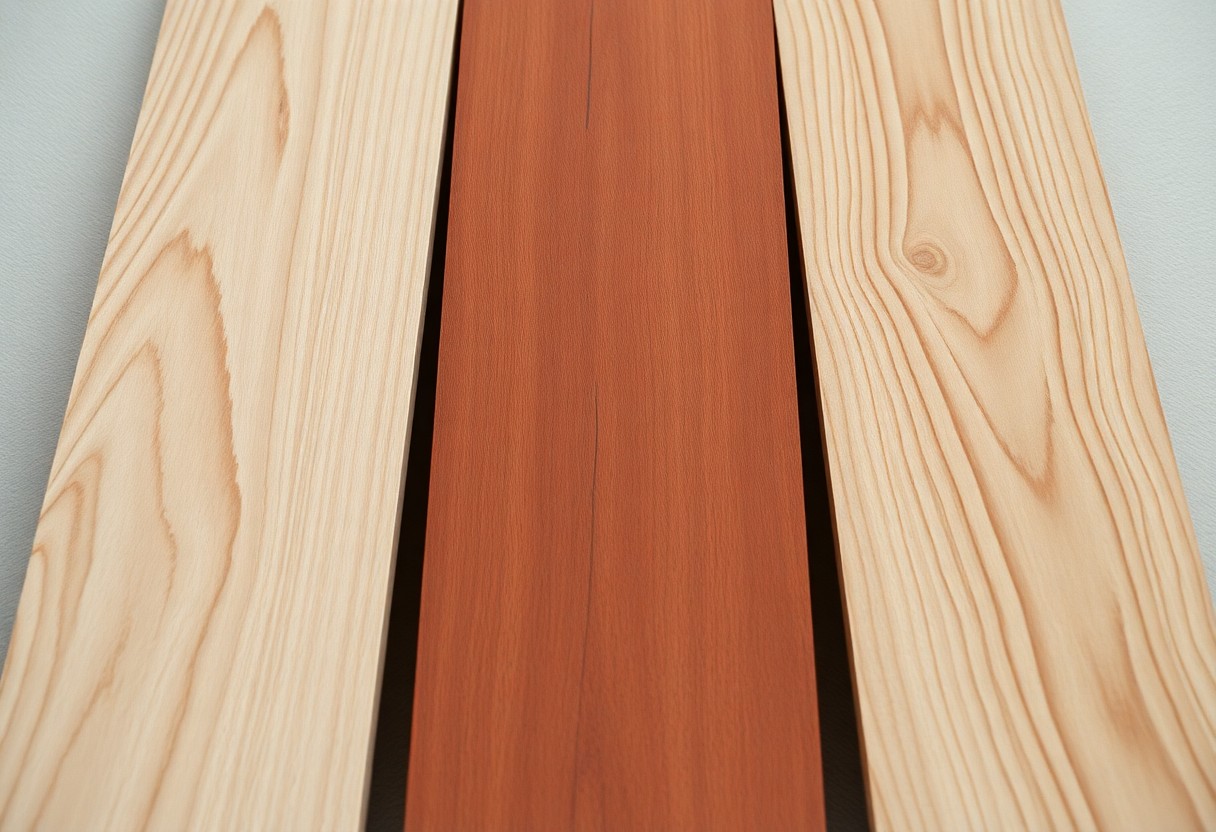
Overview of White Oak Flooring
White oak flooring stands out in hardwood options due to its remarkable durability and versatile appeal. Known for its strength and resistance to wear, this wood is often used in high-traffic areas of homes and commercial spaces alike. Its consistent grain pattern and warm tones make it a favorite among homeowners and designers seeking a stylish yet sturdy flooring solution.
Characteristics and Benefits
You will appreciate that white oak possesses a high Janka hardness rating, making it one of the most resilient hardwoods available. It naturally resists moisture and decay, which enhances its longevity. The wood’s tight grain structure adds to its aesthetic appeal, providing a refined look while also offering practical benefits such as easy maintenance and excellent stability, whether in dry or humid conditions.
Aesthetics and Design Flexibility
White oak’s visual characteristics provide a unique blend of sophistication and rustic charm. Its range of colors can vary from light beige to deeper brown hues, allowing you to match or complement various interior design styles. This adaptability makes it suitable for contemporary, traditional, or even eclectic spaces, and it easily coordinates with different furnishings and decor elements.
The diverse palette of white oak extends beyond color; its distinct grain patterns create visual interest without overwhelming the overall design. You can choose from various finishes, including matte, satin, or glossy, further enhancing its versatility. Whether you prefer a sleek modern aesthetic or a cozy, farmhouse feel, white oak flooring effortlessly adapts to your vision, ensuring it remains a timeless choice in your home. Its ability to age gracefully over time means that you’ll maintain a beautiful look that evolves with your style.
Comparing White Oak to Other Hardwood Options
| Hardwood Type | Characteristics |
|---|---|
| Red Oak | Aesthetically warm, pronounced grain, softer than white oak. |
| Maple | Dense, smooth texture, light color, resistant to abrasion. |
Red Oak vs. White Oak
Red oak features a more pronounced grain pattern with a warm, reddish tone, while white oak has a cooler, grayish hue and a more understated grain. This distinction enhances the elegance of white oak in various design settings, offering a versatile look that complements traditional and contemporary styles alike.
Maple vs. White Oak
Maple wood is denser and has a finer, silky texture compared to white oak. You’ll find that maple typically provides a lighter, creamy appearance, making it suitable for modern interiors, while white oak’s durability and design flexibility allow it to fit seamlessly with rustic or classic themes.
Further differentiating maple and white oak, maple’s adaptability makes it popular for furniture and cabinets, while its hardness is excellent for high-traffic areas. Conversely, white oak’s natural resistance to moisture makes it an ideal choice for kitchens and bathrooms, ensuring durability while adding a touch of sophistication to your space.
Durability and Longevity
White oak flooring stands out for its impressive durability and longevity, making it an excellent investment for your home. Its dense structure can withstand both foot traffic and heavy furniture without significant wear, ensuring that your floors maintain their beauty over the years. This resilience not only enhances its lifespan but also reduces the need for frequent repairs or replacements, adding to its overall value.
Hardness Ratings
You’ll find that white oak boasts a high Janka hardness rating of around 1360, which places it among the most durable hardwoods available. This hardness level means it resists dents and scratches better than softer woods, allowing it to handle daily life without compromising its appearance. In comparison to other hardwoods like red oak, which has a rating of 1290, white oak offers an added layer of protection for your flooring.
Resistance to Wear and Tear
White oak’s natural resistance to wear and tear makes it an ideal choice for high-traffic areas. The grain structure and density help it withstand the impacts of pets, children, and furniture movement. Unlike softer woods, white oak does not show signs of aging as quickly, maintaining its finish and charm for much longer, even in busy households.
This resistance to wear and tear is further enhanced by white oak’s tight grain pattern, which minimizes surface damage and helps to block moisture. Such characteristics make it less prone to warping and swelling compared to other hardwood options. With proper maintenance, including regular cleaning and occasional refinishing, your white oak flooring can last decades while still looking pristine, securing your investment for the long haul.
Maintenance and Care
Maintaining the beauty and functionality of white oak flooring involves regular attention to cleaning and periodic refinishing processes that can extend its lifespan significantly.
Cleaning and Routine Care
For everyday cleaning, use a soft broom or vacuum to remove dust and debris, followed by a damp mop with a pH-neutral cleaner designed for hardwood floors. Avoid excessive moisture to preserve the wood’s integrity and sheen.
Refinishing and Longevity
Refinishing white oak flooring can dramatically enhance its appearance and extend its lifespan, typically needed every 7 to 10 years depending on foot traffic and usage.
Refinishing involves sanding down the surface to remove scratches and worn areas, then applying a fresh coat of finish. White oak, with its dense grain, responds well to refinishing, allowing you to change the color or sheen while retaining the wood’s inherent beauty. With proper care, your white oak flooring can last 50 years or more, making it a sound long-term investment for any home. Regular maintenance and timely refinishing ensure that your floor remains a centerpiece in your space, showcasing its enduring elegance for generations.
Cost Considerations
Initial Investment
White oak flooring is generally priced between $5 to $7 per square foot, making it a mid-range option in the hardwood market. While the initial cost may be higher than some alternatives like pine or laminate, its durability often justifies the investment. Also, you should keep in mind that prices can fluctuate based on factors like grade and source, so always consult local retailers for the most accurate estimates.
Long-Term Value
Investing in white oak flooring provides significant long-term benefits compared to cheaper hardwood or engineered options. Its superior hardness and resistance to wear contribute to lower maintenance costs and fewer replacements over time. Homebuyers often value white oak for its aesthetic and structural integrity, boosting your property’s resale potential.
The longevity of white oak makes it a wise investment—typically lasting 30 years or more with proper care. As a timeless choice, it easily adapts to changing design trends, enhancing both classic and contemporary spaces. You can expect to enjoy not only a beautiful floor but also a stable return on your investment, as homes with white oak flooring frequently command higher resale prices. This combination of durability and appeal makes it a financially sound choice for homeowners considering longevity and resale value in their flooring decisions.
Environmental Impact
The environmental impact of flooring choices is a growing concern for homeowners, particularly those seeking sustainable options. White oak, sourced from well-managed forests, offers an environmentally friendly alternative to flooring materials with questionable origins or extensive processing. With its durability and longevity, white oak reduces the need for frequent replacements, aligning with eco-conscious living.
Sustainability of White Oak
White oak is recognized for its high sustainability ratings, thanks largely to responsible harvesting practices. Many suppliers ensure that their white oak comes from forests certified by organizations like the Forest Stewardship Council (FSC). This certification guarantees that the wood is sourced sustainably, preserving biodiversity and promoting forest health.
Comparison to Other Hardwoods
When you compare white oak to other hardwoods, differences in sustainability practices emerge. Species like mahogany and teak often face scrutiny for their environmental impact due to deforestation and illegal logging. In contrast, ethically sourced white oak maintains a favorable reputation, as it balances aesthetic appeal with ecological responsibility.
Comparison of Hardwood Sustainability
| Hardwood Type | Sustainability Rating |
|---|---|
| White Oak | High (FSC Certified) |
| Mahogany | Medium to Low (Deforestation Concerns) |
| Teak | Medium (Sustainability Issues) |
Understanding the sustainability ratings of various hardwoods can guide your flooring decision. White oak stands out with its high rating, while species like mahogany and teak present potential environmental risks. Opting for white oak not only enhances your interior but also supports sustainable forestry, making it a responsible choice for your home.
To wrap up
Summing up, when choosing between white oak flooring and other hardwood options, you’ll find that white oak offers a unique blend of durability, aesthetic appeal, and versatility. Its distinct grain patterns and resistance to wear make it a favorable choice for both classic and modern interiors. By opting for white oak, you enhance the visual warmth of your space while benefiting from a long-lasting investment that stands the test of time. Weighing your specific needs against these advantages will help you make the best decision for your home.